日本語
日本語
 English
 日本語
日本語 Español
 Deutsch
 عربى
عربى
コンテンツ
冷凍食品包装袋の目的
冷凍食品包装袋 are built to survive conditions that break down ordinary flexible packaging: sustained sub-zero temperatures, moisture inside and outside the bag, and the physical stress of stacking, transport, and repeated freezer-to-counter handling. The material has to stay flexible and seal-tight even after prolonged exposure to cold that would make standard plastic film brittle and prone to cracking.
Beyond surviving the cold, the bag's real job is preventing three specific forms of quality loss: moisture escaping the product (which causes freezer burn), oxygen getting in (which causes oxidation and off-flavors), and odor transfer in either direction.これらのいずれかで失敗した袋は、製品が物理的に冷凍庫から出さなかったとしても、保存期間を損ないます。
厚さだけよりもバリア特性が重要な理由
A thicker bag isn't automatically a better barrier — the material composition determines how effectively oxygen and moisture vapor are blocked, regardless of how heavy the film feels. Multi-layer laminate structures combining materials like PE, PA (nylon), and sometimes an aluminum or EVOH layer each contribute a different function: one layer for puncture resistance, another for oxygen barrier, another for the heat-sealable inner surface.
この層状のアプローチが、同じ厚さであっても冷凍食品の包装が一般的なビニール袋と大きく異なる理由です。 冷凍焼け , the dried-out, discolored patches that form on improperly packaged frozen food, is almost always a moisture-barrier failure rather than a temperature problem — the freezer isn't too cold, the bag simply isn't stopping moisture from migrating out of the product's surface.
低温性能とシールの完全性
冷凍食品バッグは、氷点下、通常は氷点下で柔軟性とシール強度の両方を維持する必要があります。 -18℃以下 標準的な業務用冷凍庫保管用。 Films that aren't formulated for cold-weather flexibility become brittle at these temperatures, leading to micro-cracks at fold points and seal edges — exactly where barrier failure starts.
シールの品質が実際の保存期間を決定する理由
たとえ適切に配合されたバリアフィルムであっても、シール自体が弱ければ機能しません。 A consistent, full-width heat seal is what actually keeps the barrier properties intact at the point most vulnerable to failure — the edge of the bag. Manufacturers should treat seal strength testing as a standard quality check, not an optional one, since a barrier film with a compromised seal offers no real advantage over a lower-spec bag.
透明性と食品安全コンプライアンス
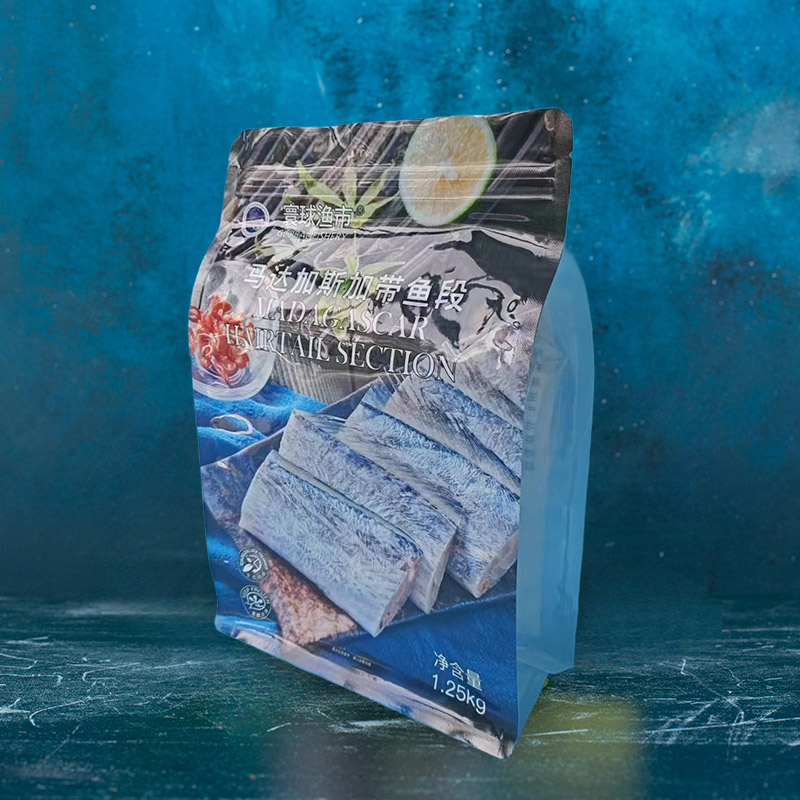
冷凍食品のパッケージの透明性は、単に見た目だけを目的としたものではありません。 Clear or semi-clear film lets retailers and consumers visually inspect product condition — checking for ice crystal buildup, discoloration, or damage — without opening the package, which matters both at the point of sale and for quality checks during distribution.
食品安全コンプライアンスは、これらの機能特性と並行して実行されます。 Materials used in direct food contact need to meet relevant food-grade standards for the target market, covering both the resin composition and any printing inks used on the bag surface, since inks in close or direct contact with frozen food need to be migration-tested rather than assumed safe.
さまざまな冷凍製品に適したバッグの選択
すべての冷凍製品が同じ包装仕様を必要とするわけではありません。以下の表は、梱包する内容に応じてバッグの優先順位がどのように変化するかを示しています。
| 製品タイプ | 優先物件 |
|---|---|
| 冷凍魚介類や肉類 | 冷凍焼けや臭い移りを防ぐ高い防湿層 |
| 冷凍野菜と果物 | 不規則で鋭利な内容物に対する耐突き刺し性 |
| すぐに食べられる冷凍食品 | 強力なシール完全性と再加熱に対する食品グレードへの準拠 |
| 冷凍ベーカリー商品 | 酸素バリアで劣化や風味の損失を防ぎます。 |
- 製品の主要な腐敗リスク、水分損失または酸化に合わせてバリア層の組成を調整します。
- 室温だけでなく冷凍庫温度でもシール強度試験データを確認
- フィルムと印刷インクの両方について食品グレードのコンプライアンス文書を確認する
- 小売店のディスプレイのニーズと製品の光感度に基づいて透明度レベルを選択します